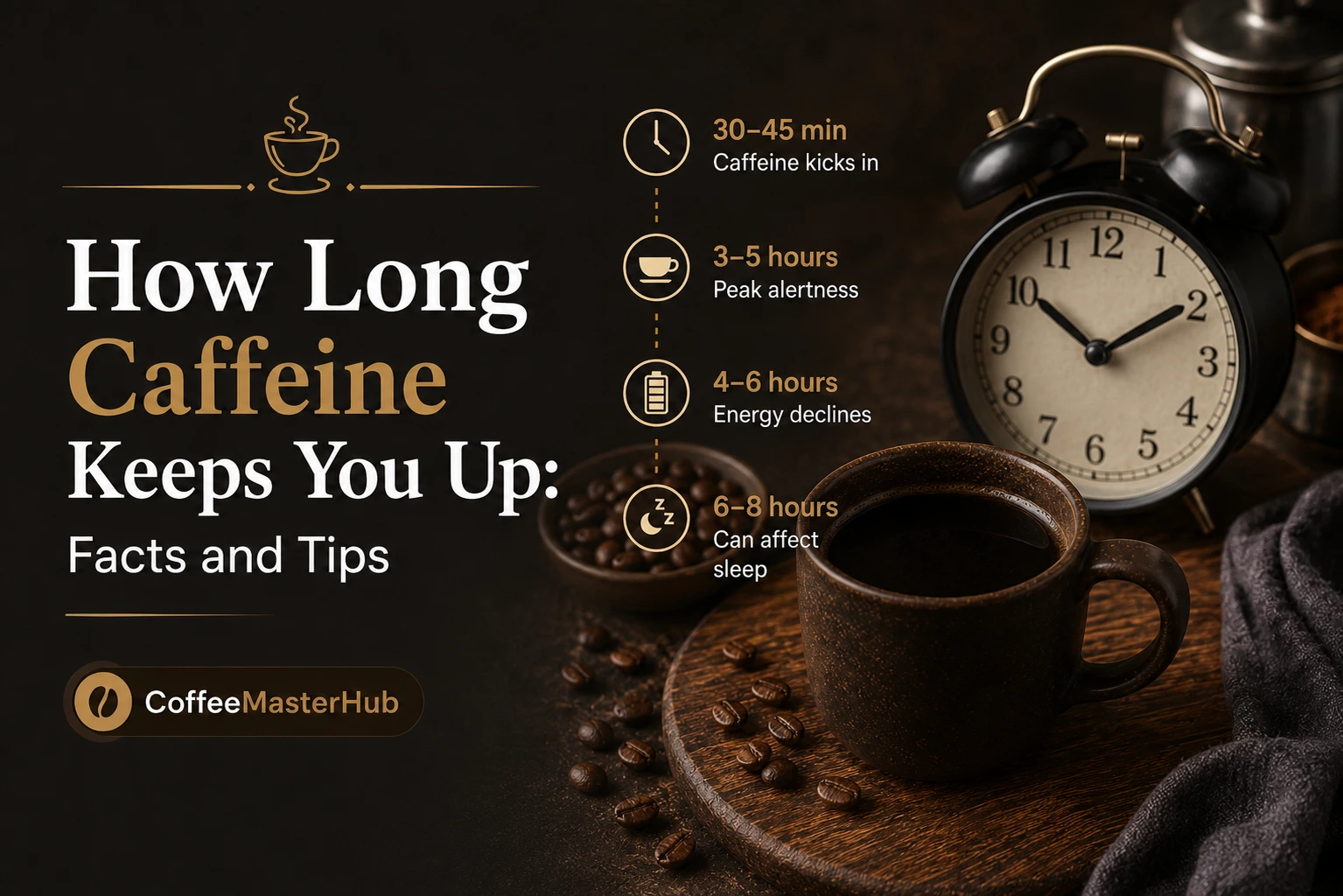
Caffeine typically stays in your system for 5–6 hours, with peak effects occurring within 30–60 minutes of consumption. After 5–6 hours, approximately half the caffeine remains in your body—this is called the half-life. However, individual factors like metabolism, body weight, medications, and sensitivity significantly affect how long caffeine keeps you awake. For most people, consuming caffeine after 3 PM can disrupt sleep that night, even if they don’t consciously feel alert.
Understanding Caffeine’s Timeline in Your Body
When you drink coffee or consume any caffeinated product, caffeine doesn’t instantly disappear after a few hours. It follows a predictable pattern through your body, though the timeline varies between individuals. Understanding this timeline helps you make better decisions about when to consume caffeine.
Caffeine is absorbed through your digestive system into the bloodstream within minutes. Peak concentration occurs around 30–60 minutes after consumption, which is when you feel the strongest effects. From that point, your body gradually metabolizes and eliminates the caffeine.
The half-life concept matters more than you might think. A half-life means half the original amount remains after a specific period. For caffeine, this period is typically 5–6 hours, though it can range from 3–7 hours depending on individual factors.
The Standard Caffeine Timeline
Here’s what typically happens hour by hour after consuming a single cup of coffee (roughly 95mg of caffeine):
| Time After Consumption | Caffeine Remaining | How You Feel |
|---|---|---|
| 0 minutes | 95mg (100%) | Starting to feel effects |
| 30-60 minutes | 95mg peak | Maximum alertness and energy |
| 3-4 hours | 48-64mg (50-67%) | Noticeably less alert but still awake |
| 5-6 hours | 48mg (50%) | Mild effects persist; many people feel normal |
| 10 hours | 12-24mg (12-25%) | Slight remaining effects |
| 12+ hours | Minimal trace amounts | Usually undetectable to most people |
This table shows approximate averages. Your actual timeline depends on your personal metabolism and other individual factors.
Key Factors That Change How Long Caffeine Keeps You Up
The 5–6 hour half-life is just an average. Several factors speed up or slow down how your body processes caffeine, directly affecting how long it keeps you awake.
Body weight plays a significant role. Heavier individuals metabolize caffeine faster relative to their body weight, so the same dose affects them less intensely and for a shorter period. A 120-pound person experiences longer effects from the same amount of caffeine as a 200-pound person.
Metabolic rate varies naturally between people. Some people’s bodies simply process caffeine more quickly. This partly comes down to genetics. Your liver enzymes handle caffeine metabolism, and enzyme efficiency varies.
Pregnancy dramatically slows caffeine metabolism. A pregnant person’s caffeine half-life extends to 10–20 hours because of hormonal changes. This is why pregnancy guidelines recommend limiting caffeine.
Liver health affects processing speed. People with liver disease or cirrhosis metabolize caffeine much slower, extending the timeline significantly.
Medications interact with caffeine metabolism. Certain drugs slow it down, while others speed it up. Estrogen-based medications like birth control pills slow caffeine metabolism, meaning effects last longer.
Smoking accelerates caffeine metabolism. Smokers process caffeine roughly twice as fast as nonsmokers, so effects wear off sooner.
Caffeine tolerance doesn’t change how long caffeine stays in your system, but it does affect how much you feel it. Regular consumers don’t notice the effects as strongly, so they may feel “normal” even with significant caffeine remaining.
Sensitivity to caffeine is partly genetic. Some people naturally feel caffeine effects more intensely, regardless of how quickly their body processes it.
Why Afternoon Caffeine Disrupts Your Sleep
Understanding the timeline explains why afternoon caffeine causes sleep problems even though you don’t feel visibly awake. Many people believe caffeine only affects you if you consciously feel its effects. This is incorrect.
If you consume 200mg of caffeine at 3 PM, approximately 100mg remains at 9 PM. That’s equivalent to a full cup of weak coffee or about 2–3 cans of soda. Your body hasn’t completely eliminated the caffeine, and it’s still interfering with sleep-promoting neurotransmitters.
Sleep disruption from afternoon caffeine often isn’t obvious. You might not lie awake staring at the ceiling. Instead, you might experience lighter sleep, more nighttime awakenings, or simply wake up feeling less rested. These subtle effects are still real sleep disruption.
The key is understanding that feeling “not caffeine-ated” doesn’t mean caffeine isn’t in your system. It just means you’ve adapted to the presence of caffeine.
Best Timing Practices for Caffeine
Rather than struggling with caffeine’s natural timeline, work with it. Timing your caffeine consumption strategically prevents the sleep disruption that causes grogginess the next day.
Consume caffeine between 9 AM and 2 PM for the best results if you sleep around 10 PM. This gives roughly 7–8 hours before bedtime when most caffeine has metabolized. By sleep time, residual levels are usually low enough to avoid major disruption.
Avoid caffeine after 3 PM if possible. Even if half-life means “only 50%” remains at 9 PM, that remaining amount can interfere with sleep quality, especially if you’re caffeine-sensitive.
Space out caffeine consumption throughout the day rather than front-loading it. Multiple smaller doses spread over the morning and early afternoon work better than one large dose. This approach avoids high peaks and also prevents afternoon crashes.
Adjust based on your sleep time. If you sleep at 11 PM instead of 10 PM, caffeine at 3:30 PM might be acceptable. Count backward from your sleep time and plan accordingly.
Track your personal timeline. Everyone’s metabolism differs. Pay attention to when caffeine consumed at specific times actually disrupts your sleep. This real-world data beats average recommendations.
How Food and Other Factors Affect Duration
The caffeine timeline isn’t just about metabolism. What you eat and drink when consuming caffeine significantly impacts how long it keeps you awake.
Consuming caffeine with food slows absorption slightly and spreads the effects over a longer period. This creates a gentler, longer-lasting effect compared to caffeine on an empty stomach. Food doesn’t significantly change total duration, but it does affect how intensely you feel the peak.
Hydration status matters more than many people realize. Dehydration concentrates caffeine in your bloodstream, intensifying effects and potentially extending how long you feel alert. Staying well-hydrated helps moderate caffeine’s impact.
Alcohol consumption is a common mistake. Combining caffeine and alcohol masks how impaired you’re becoming and can interfere with sleep. The caffeine keeps you feeling awake while alcohol disrupts sleep quality. This combination leaves you tired the next day.
Sleep debt amplifies caffeine’s effects. If you’re already sleep-deprived, the same amount of caffeine keeps you awake longer and more intensely. This creates a vicious cycle where poor sleep makes you need more caffeine.
Stress levels interact with caffeine’s timeline. High stress amplifies caffeine’s stimulating effects, making you feel jittery and awake longer. The combination of cortisol and caffeine is particularly powerful.
Different Caffeine Sources Have Similar Timelines
Many people assume different caffeine sources affect duration differently. This is largely a misconception. The caffeine molecule is identical regardless of source.
Whether caffeine comes from coffee, tea, energy drinks, or supplements, the half-life and timeline remain approximately the same. What differs between sources is absorption speed and additional compounds.
Coffee provides caffeine plus hundreds of bioactive compounds that may affect how you feel, but the caffeine timeline itself doesn’t differ from pure caffeine.
Tea contains caffeine plus L-theanine, an amino acid that promotes calmness. L-theanine doesn’t change caffeine’s duration; it just makes the experience feel different.
Energy drinks contain caffeine plus stimulants like taurine and guarana (which contains more caffeine). The additional stimulants may intensify effects and create a more jittery feeling, but the primary caffeine duration remains similar.
Supplements and pills deliver pure caffeine without other compounds. The timeline is identical to coffee, though the absorption might be slightly faster since there’s no need to digest other material.
The timeline difference is minimal between sources. The real factor is total caffeine amount consumed, not the source.
What to Do If Caffeine Is Keeping You Up Too Long
If you’re experiencing sleep disruption from caffeine, several strategies help address the problem.
Gradually reduce your total daily caffeine intake rather than quitting abruptly. Sudden elimination can cause headaches and fatigue. Reducing by 25% every week allows your body to adjust.
Shift your caffeine consumption earlier in the day. If you typically drink coffee at 4 PM, try 2 PM instead. This small shift often makes a noticeable difference in sleep quality.
Switch to lower-caffeine options later in the day. Green tea (25–50mg) instead of coffee (95–200mg) provides a gentler option if you want afternoon refreshment.
Experiment with cutoff times. Some people do fine with caffeine until 4 PM; others need a 2 PM cutoff. Your personal timeline is your best guide.
Track sleep quality when experimenting with caffeine timing. Note when you consume caffeine and how you sleep that night. Patterns will emerge.
Consider your medications if caffeine effects seem unusually long-lasting. Certain medications interact with caffeine metabolism. Discussing this with your doctor or pharmacist helps identify potential interactions.
Conclusion
Caffeine typically keeps you awake for 5–6 hours, with peak effects hitting around 30–60 minutes after consumption. However, this timeline varies significantly based on individual factors like metabolism, body weight, medications, and pregnancy. Understanding how long caffeine affects your specific body helps you time consumption strategically.
The key to avoiding sleep disruption is recognizing that you don’t need to consciously feel caffeine’s effects for it to interfere with sleep quality. By consuming caffeine before 3 PM and paying attention to your personal timeline, most people can enjoy caffeine’s benefits without sacrificing sleep quality.
About the Author
Muhammad Hammad Abbas started Coffee Master Hub, where he shares useful coffee guides and brewing tips based on his own research and experience. He works to make coffee knowledge easier to understand and tries out different methods to help readers make better coffee at home.