Quick Answer
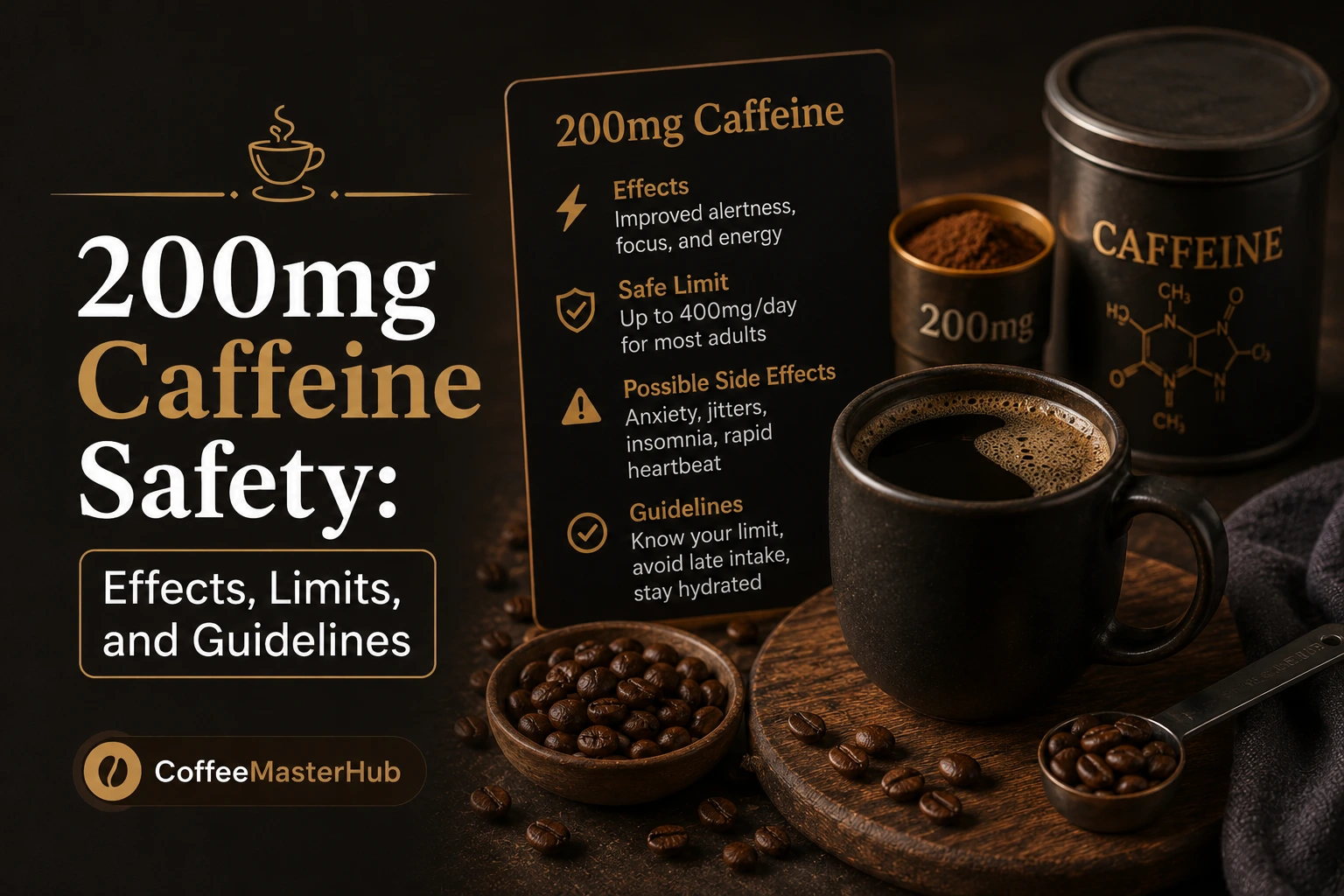
200mg of caffeine is a moderate amount for most adults—roughly equivalent to two cups of coffee. It falls below the FDA’s recommended safe daily limit of 400mg, making it generally safe for most people. However, whether 200mg feels like a lot depends on individual sensitivity, body weight, tolerance, and overall health. Someone unaccustomed to caffeine might experience noticeable effects, while regular consumers may feel minimal impact.
Understanding Caffeine Amounts
When we talk about caffeine, context matters. 200mg is an actual measurable dose, but what it means depends entirely on the person consuming it. To understand whether this is a lot, you need to know how caffeine affects different bodies and how it compares to everyday sources.
Caffeine is a natural stimulant found in coffee, tea, cocoa, energy drinks, and many other products. It works by blocking adenosine receptors in your brain—the same receptors that signal tiredness. This is why caffeine makes you feel more alert. The amount matters because more caffeine means a stronger effect and higher chances of side effects.
How 200mg Compares to Common Sources
The easiest way to understand if 200mg is a lot is to compare it to things you already consume. Here’s how 200mg stacks up:
| Source | Caffeine Amount | Notes |
|---|---|---|
| 8 oz cup of brewed coffee | 95–200mg | Varies by brewing method |
| Single espresso shot | 63–75mg | Much smaller but concentrated |
| 12 oz energy drink | 80–300mg | Highly variable by brand |
| 8 oz cup of black tea | 25–50mg | Much gentler than coffee |
| 8 oz cup of green tea | 25–50mg | Lower than black tea |
| Single caffeine tablet | 200–300mg | Concentrated supplement form |
200mg is roughly equivalent to:
- Two cups of brewed coffee
- Three espresso shots
- About 2–3 cans of regular soda
- One large energy drink
For context, most people who drink coffee regularly consume 200–400mg per day without major problems.
The FDA’s Daily Caffeine Limit
The U.S. Food and Drug Administration considers 400mg of caffeine per day safe for most healthy adults. This is important because 200mg is only half that amount. You could technically consume this amount twice in a day and still be within recommended guidelines.
However, the 400mg guideline assumes you’re an average adult with no underlying health conditions. Individual tolerance varies significantly based on several factors.
Who Might Find 200mg “A Lot”
Even though 200mg is moderate overall, certain people experience it as quite a lot. Understanding where you fit helps determine whether this amount is right for you.
Caffeine-sensitive individuals feel effects at lower doses. These people might experience jitteriness, anxiety, or sleep disruption from a single cup of coffee. Genetics partly determine sensitivity—some people’s bodies process caffeine faster than others.
People with anxiety disorders or panic disorder may find 200mg triggers or worsens symptoms. Caffeine increases heart rate and can create physical sensations similar to anxiety.
Individuals with certain heart conditions should limit caffeine intake. A dose of 200mg can raise heart rate and blood pressure temporarily, which may be problematic for some cardiac patients.
Pregnant people should limit caffeine to 200mg per day or less according to most medical guidelines. This is a standard recommendation, not an excess amount.
People taking certain medications may need to avoid caffeine or limit intake. Stimulant medications, some antidepressants, and other drugs interact with caffeine.
Light-weight individuals or those with lower body weight may feel 200mg more intensely because the dose is higher relative to body weight.
Potential Effects of 200mg Caffeine
For most people, 200mg produces noticeable but manageable effects:
- Increased alertness – The primary intended effect
- Mild to moderate energy boost – Usually peaks within 30–60 minutes
- Improved focus and concentration – Helpful for work or study
- Elevated heart rate – Usually modest and temporary
- Increased urination – Caffeine is a mild diuretic
- Possible jitteriness – More likely in sensitive individuals
- Sleep disruption – If consumed late in the day
For people accustomed to caffeine, these effects are often subtle. For those new to caffeine, the experience might feel quite pronounced.
Caffeine Intake Safety Guidelines
Beyond the FDA’s 400mg daily limit, health organizations provide specific recommendations:
- Healthy adults: Up to 400mg daily is safe
- Pregnant individuals: Limit to 200mg daily or less
- Adolescents: 100mg daily maximum recommended by pediatricians
- Children: Generally avoid caffeine
- Elderly individuals: May need to limit intake due to medication interactions and sensitivity
A single 200mg dose doesn’t violate any of these limits, but it’s worth considering your total daily intake.
Timing Matters More Than You Think
When you consume 200mg makes a significant difference in how much it affects you. Caffeine has a half-life of about 5–6 hours, meaning half the caffeine remains in your system after that time period.
Consuming 200mg at 7 AM is very different from consuming it at 3 PM. By evening, afternoon caffeine is still in your system and may disrupt sleep. Poor sleep then affects how you feel the next day, creating a cycle.
Best practices for timing:
- Consume caffeine between 9 AM and 2 PM for minimal sleep impact
- Avoid caffeine after 3 PM if you sleep around 10 PM
- Space out caffeine consumption throughout the day rather than consuming it all at once
- Be aware that caffeine sensitivity increases later in the day
Individual Factors That Change Everything
Your unique circumstances determine whether 200mg is a lot for you personally:
- Tolerance level – Regular consumers barely notice 200mg
- Body weight – Heavier individuals typically feel effects less intensely
- Medications – Some drugs amplify or reduce caffeine effects
- Sleep quality – Well-rested people handle caffeine better
- Stress levels – Stress amplifies caffeine’s effects
- Food in stomach – Caffeine on an empty stomach hits harder
- Hydration status – Dehydration intensifies caffeine effects
- Overall health – Anxiety, heart conditions, or blood pressure issues require caution
This is why blanket statements about caffeine don’t work. Two people might have completely different reactions to the same 200mg dose.
How to Determine If 200mg Is Right for You
Rather than asking whether 200mg is objectively a lot, ask whether it’s appropriate for your specific situation.
Start by assessing your current intake. Track what you drink for a few days and estimate your total daily caffeine. Many people unknowingly consume more than they realize from coffee, tea, energy drinks, and soft drinks combined.
If you’re new to caffeine, start smaller. Try 50–100mg and observe how you feel. Gradually increase if needed. This approach helps you find your personal tolerance level.
Pay attention to how you sleep. If 200mg in the morning affects your sleep that night, you know it’s too much for you. If you sleep fine, it’s probably safe.
Monitor physical symptoms. A racing heart, sweating, or trembling indicates you’re consuming too much. Mild jitteriness or slight nervousness is common and usually not concerning.
Keep a simple log if you’re sensitive to caffeine. Note the amount, timing, and your experience. This helps identify patterns.
Common Caffeine Concerns Addressed
Question: Is 200mg the same in coffee versus energy drinks?
The caffeine molecule is identical, but sources differ. Coffee provides caffeine plus hundreds of other compounds. Energy drinks often contain additional stimulants like taurine or guarana, which may compound effects.
Question: Can you build tolerance to 200mg?
Yes. Regular caffeine users develop tolerance, meaning 200mg feels less intense over time. This is why occasional consumers feel more obvious effects than daily drinkers.
Question: Is 200mg safer than 400mg?
Generally yes, though safety also depends on individual factors. 200mg is less likely to cause side effects, but it’s not inherently safe for everyone.
Conclusion
200mg of caffeine is a moderate amount—comfortably below the FDA’s 400mg daily safety limit for most healthy adults. Whether this is a lot for you specifically depends on your sensitivity, tolerance, body weight, health conditions, and current medications. Most people who regularly drink coffee consume this amount without issue.
The key is understanding your personal tolerance and paying attention to how your body responds. If you experience sleep disruption, anxiety, or physical symptoms from 200mg, it’s too much for you. If you feel fine, it’s likely safe. Listen to your body and adjust accordingly.
About the Author
Muhammad Hammad Abbas started Coffee Master Hub, where he shares useful coffee guides and brewing tips based on his own research and experience. He works to make coffee knowledge easier to understand and tries out different methods to help readers make better coffee at home.