Coffee is more than just a morning ritual. Depending on the beans, roast, grind, brewing technique, and serving size, your cup can provide a very different amount of caffeine. If your goal is better alertness, stronger focus, or a reliable energy boost, choosing the right coffee can make a noticeable difference.
Instead of assuming that every coffee provides the same stimulation, it helps to understand what actually determines caffeine content and how popular coffee drinks compare.
What Determines the Caffeine in Your Coffee?
Several factors influence how much caffeine ends up in your cup.
Bean Variety
The two most common coffee species are Arabica and Robusta. Robusta generally contains considerably more caffeine than Arabica, making it a useful choice when caffeine strength is the priority.
Arabica is often preferred for its smoother and more complex flavor, while Robusta can provide a stronger, more intense caffeine profile. Blends containing both varieties can offer a balance between taste and potency.
Brewing Technique
The way coffee is prepared has a major effect on its final caffeine concentration. Brewing time, water temperature, pressure, grind size, and the amount of coffee used all influence extraction.
For example, immersion brewing gives water prolonged contact with the grounds, while espresso uses pressure to produce a concentrated beverage in a much smaller serving.
Roast Level
Roast level can also affect caffeine measurements, although the difference is often less dramatic than people assume. Light, medium, and dark roasts can all provide substantial caffeine.
Because lighter roasted beans are denser by weight, measuring coffee by weight rather than by scoop can make comparisons more meaningful.
Serving Size
One of the easiest ways to increase caffeine intake is simply to consume more coffee. A large serving naturally contains more caffeine than a smaller serving when the same preparation is used.
This is why comparing drinks only by “cup” can be misleading. An 8-ounce coffee and a 20-ounce coffee are very different caffeine commitments.
Coffee Drinks Ranked by Typical Caffeine Content
Actual caffeine levels vary considerably between brands, recipes, and serving sizes, so the numbers below should be treated as general estimates rather than exact measurements.
1. Cold Brew — Smooth and Potent
Cold brew is made by steeping coffee grounds in cool or room-temperature water for an extended period. Depending on the recipe and whether it is served as a concentrate or ready-to-drink beverage, caffeine levels can be quite high.
A 16-ounce serving may contain roughly 180–240 mg of caffeine, although some commercial products can be higher or lower.
Its smooth flavor and relatively low perceived acidity make cold brew particularly popular among people who prefer a less bitter coffee.
2. Turkish Coffee — Small Serving, Strong Character
Turkish coffee uses extremely fine coffee grounds and a traditional brewing technique that produces a small, concentrated serving.
A 1-ounce serving may contain approximately 50–65 mg of caffeine, depending on the amount and type of coffee used.
Because the serving is so small, Turkish coffee is less about drinking a large volume and more about enjoying a concentrated traditional preparation.
3. Lungo — A Longer Espresso
A lungo is prepared by allowing more water to pass through an espresso coffee bed than with a conventional espresso shot.
A roughly 2-ounce serving may provide around 80–100 mg of caffeine, although the exact amount depends on the coffee dose and extraction.
It offers more volume than a standard espresso while maintaining a distinctly espresso-based character.
4. Americano — Easy to Customize
An Americano combines espresso with hot water. Its caffeine content depends primarily on the number of espresso shots used.
An 8-ounce Americano containing two shots may provide approximately 77–150 mg of caffeine, depending on the espresso recipe.
One of its biggest advantages is flexibility. Adding another shot increases caffeine without requiring a much larger drink.
5. Drip Coffee — The Everyday Classic
Traditional drip coffee remains one of the most practical ways to consume caffeine.
An 8-ounce serving commonly contains around 80–100 mg, although coffee shop servings and stronger home-brewed recipes can contain considerably more.
Because drip coffee is easy to prepare in larger quantities, it can become one of the biggest contributors to daily caffeine intake.
6. Double Espresso — Concentrated Caffeine
Two espresso shots combined into one serving create a compact but powerful drink.
A double espresso may contain approximately 126–150 mg of caffeine, depending on the beans, dose, and preparation.
It is a good option for people who prefer concentrated coffee rather than a large beverage.
7. Single Espresso — Small but Effective
A traditional single espresso shot is usually around 1 ounce and may provide approximately 63–75 mg of caffeine.
Despite its small volume, espresso can deliver a noticeable caffeine dose quickly.
8. Lattes, Cappuccinos, and Mochas
Milk-based coffee drinks don’t inherently contain less caffeine. Their caffeine level is primarily determined by the amount of espresso inside them.
A single-shot drink may contain around 63 mg, while a double-shot version can reach approximately 126 mg.
The milk changes the texture and flavor but does not significantly increase the caffeine content.
9. Tea — A Milder Alternative
Black and green tea generally provide less caffeine than most coffee preparations.
An 8-ounce serving of black tea may contain roughly 25–50 mg, while green tea often falls toward the lower end of that range.
Tea can be a useful option for people who want moderate stimulation rather than a strong coffee hit.
How to Increase the Caffeine in Your Coffee
If you’re looking for a stronger cup, several variables can influence the final caffeine level.
Choose Higher-Caffeine Beans
Robusta-based coffees generally contain more caffeine than Arabica. Checking the bean composition can therefore help you choose a stronger option.
Pay Attention to Your Brew Ratio
Using more coffee grounds relative to water generally increases the amount of caffeine extracted into the finished drink.
However, simply making coffee stronger doesn’t mean you should consume unlimited amounts.
Adjust the Serving Size
Moving from an 8-ounce serving to a larger cup naturally increases total caffeine when the recipe remains proportional.
Always consider the entire day’s intake rather than judging one drink in isolation.
Add an Extra Espresso Shot
For espresso-based beverages, adding another shot is one of the simplest ways to increase caffeine while keeping the beverage relatively compact.
A three-shot Americano, for example, can contain substantially more caffeine than a standard two-shot version.
Experiment With Grind and Brewing Variables
Grind size, water temperature, contact time, and brewing equipment all influence extraction. However, pushing extraction too far can negatively affect flavor.
The goal should be a balanced recipe rather than simply making coffee as strong as possible.
How Much Caffeine Is Too Much?
For most healthy adults, the FDA commonly cites 400 mg of caffeine per day as an amount that is not generally associated with negative effects.
However, individual tolerance varies significantly. Some people experience unwanted effects at much lower amounts.
Too much caffeine can contribute to:
- Restlessness
- Anxiety or nervousness
- Difficulty sleeping
- Headaches
- Rapid heartbeat or palpitations
- Stomach discomfort
- Shakiness
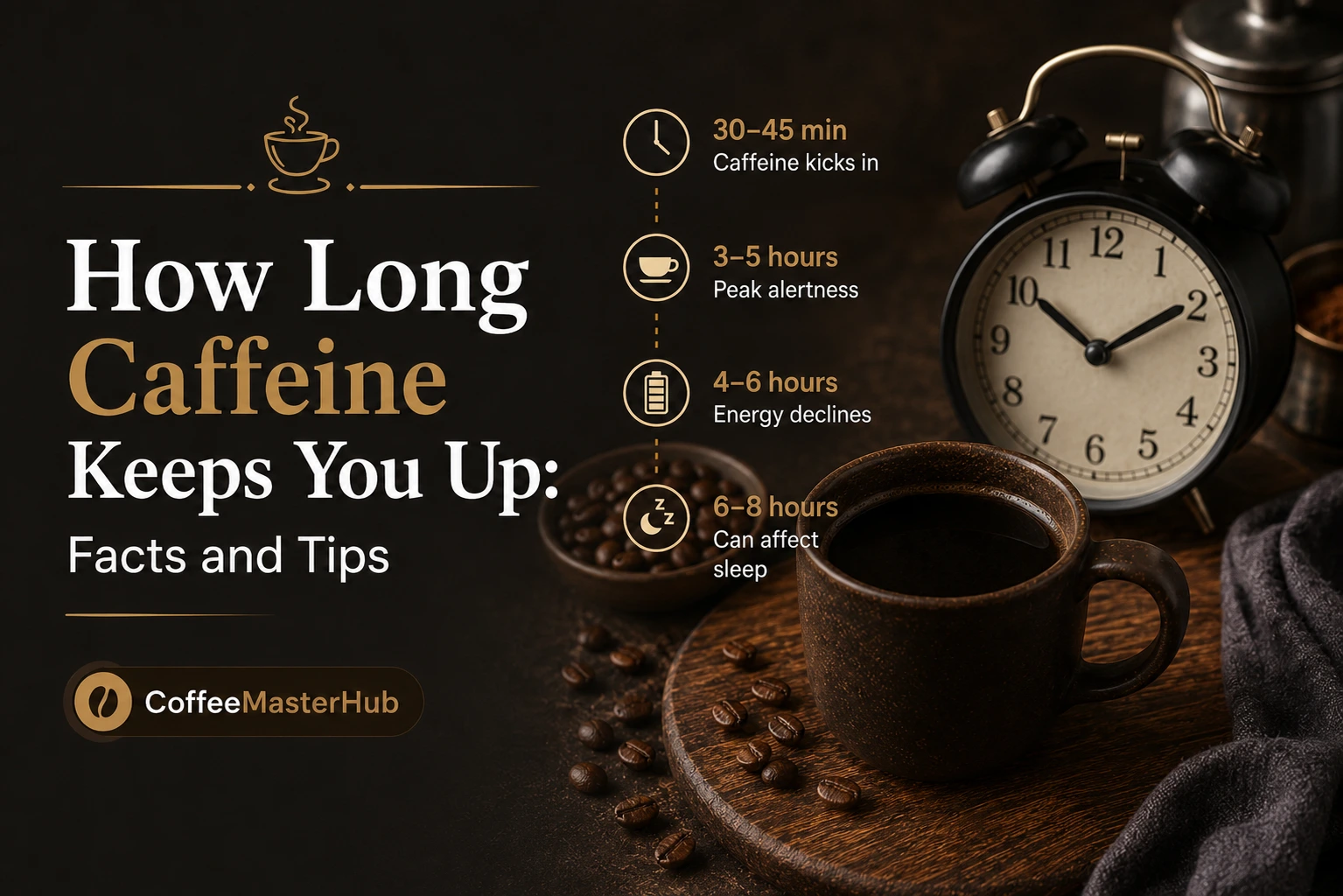
Caffeine can also remain in the body for several hours, so consuming large quantities later in the day may interfere with sleep even if you don’t immediately feel overstimulated.
People who are pregnant, adolescents, and individuals who are particularly sensitive to caffeine may need different limits. If you’re unsure about an appropriate intake level, consider discussing it with a healthcare professional.
Which Coffee Is Best for Different Situations?
There isn’t one universally “strongest” coffee that is ideal for everyone. Your best choice depends on what you’re trying to achieve.
For Longer-Lasting Morning Energy
Cold brew can be a convenient option when you prefer a smooth drink that you can consume gradually.
For a Quick Caffeine Boost
Espresso or a multi-shot Americano provides a concentrated serving without requiring a large cup of coffee.
For a Traditional Morning Routine
Drip coffee is convenient, familiar, and easy to adjust according to your preferred strength.
For a Smaller Afternoon Drink
A lungo or single/double espresso can provide caffeine without the volume of a large brewed coffee.
For Moderate Stimulation
Black or green tea may be a better choice when you want less caffeine than a typical coffee.
Don’t Judge Coffee by Taste Alone
A coffee that tastes extremely strong isn’t necessarily the coffee with the most caffeine.
Bitterness, roast flavor, acidity, and caffeine concentration are separate characteristics. A dark, bitter coffee can taste powerful while containing less caffeine than another coffee that tastes lighter and smoother.
The same principle applies to espresso. Its intense flavor doesn’t automatically mean that a single shot contains more caffeine than an entire cup of brewed coffee.
Track Your Total Daily Intake
One of the easiest mistakes coffee drinkers make is counting beverages individually without considering the total caffeine consumed throughout the day.
For example, your daily intake might include:
- Morning coffee
- An espresso-based drink
- Afternoon tea
- Chocolate
- An energy drink
- Pre-workout or other caffeinated products
Adding everything together gives you a much more accurate picture of your caffeine consumption.
A caffeine calculator or tracker can make this process easier, especially if you regularly switch between different drinks and serving sizes.
Finding Your Ideal Coffee
The best high-caffeine coffee isn’t necessarily the one with the largest number on the label. A better choice is one that provides the level of stimulation you want without causing unwanted side effects.
Consider these factors when choosing your regular drink:
- Caffeine strength: How much stimulation do you actually need?
- Flavor: Do you prefer fruity, smooth, bitter, nutty, or chocolatey coffee?
- Serving size: Do you want a small concentrated drink or a large beverage?
- Tolerance: How does your body respond to caffeine?
- Timing: Will the drink affect your sleep if consumed later?
- Convenience: Does the brewing method fit your daily routine?
- Cost: Is the coffee practical for everyday use?
Final Thoughts
Coffee provides many different ways to manage caffeine intake. Cold brew, drip coffee, espresso, Americanos, Turkish coffee, and tea all offer different combinations of concentration, serving size, flavor, and caffeine.
Rather than simply searching for the strongest possible beverage, focus on finding the preparation that matches your personal needs. Pay attention to serving size, bean variety, brewing method, and your total daily caffeine intake.
Once you understand these factors, you can make more informed choices and build a coffee routine that supports your energy and focus without unnecessarily pushing your caffeine consumption too high.
The goal isn’t maximum caffeine—it’s the right amount of caffeine for you.