Quick Answer:
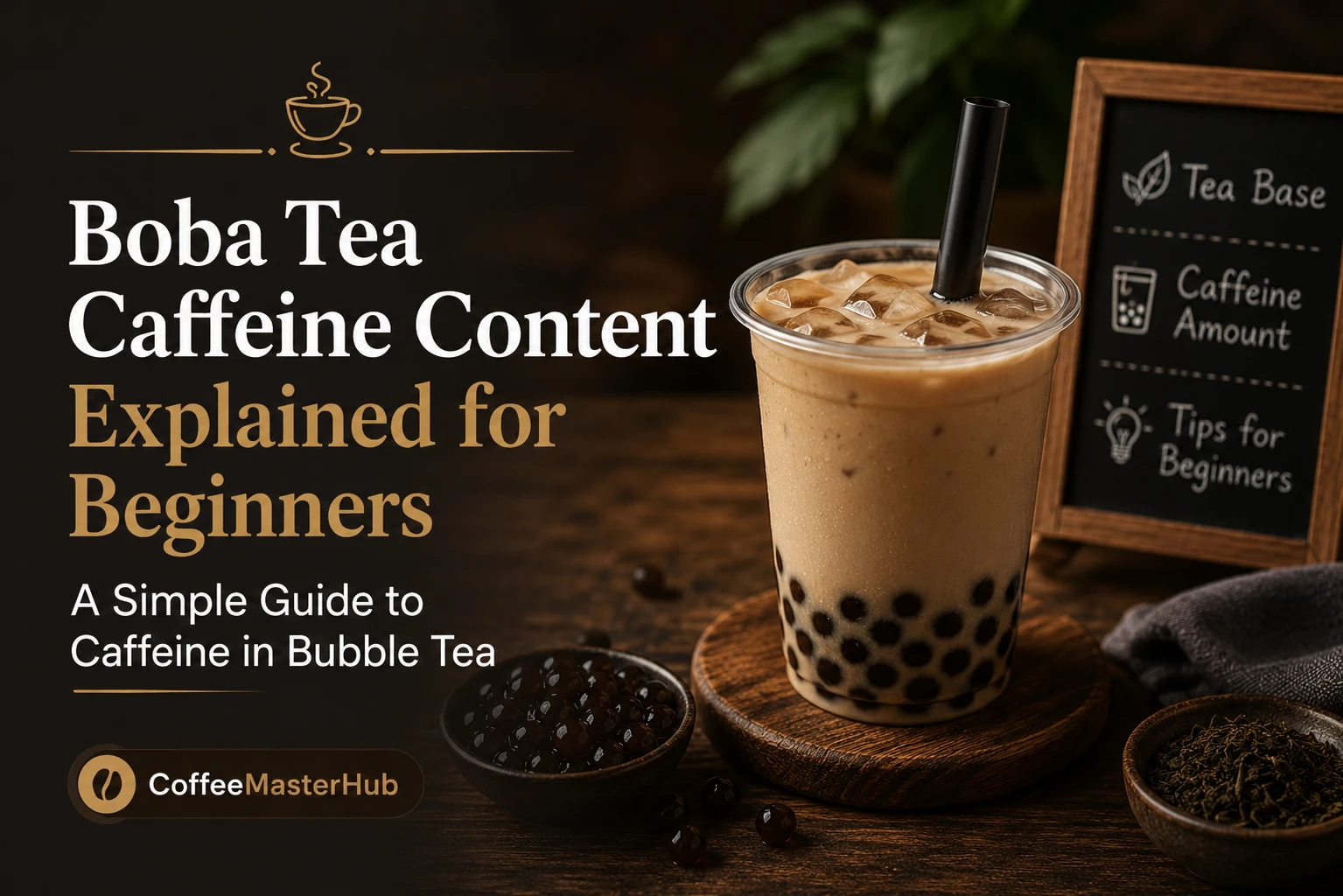
Yes, most boba teas have caffeine, since they’re usually made with a tea base like black, green, or oolong tea. The exact caffeine amount depends on the tea type, how strong it’s brewed, and the size of your drink. Some boba teas, like fruit-based ones without tea, can be caffeine-free.
Introduction
If you’ve ever sipped on a boba tea and wondered why you suddenly felt more awake, or maybe couldn’t sleep that night, you’re not imagining things. A lot of people order boba tea just for the fun chewy pearls and sweet flavor without ever thinking about what’s actually going into the drink. So do boba teas have caffeine? The short answer is usually yes, but the full picture is a bit more interesting than that, and it really depends on what kind of boba tea you’re drinking.
Why Most Boba Teas Contain Caffeine
Boba tea, also called bubble tea, traditionally starts with a tea base. That tea base is usually black tea, green tea, or oolong tea, and all three of these naturally contain caffeine. So right from the start, most boba teas are built on a caffeinated foundation before any milk, sugar, or tapioca pearls even get added.
This is actually easy to forget because boba tea doesn’t taste like traditional tea at all. Between the sweeteners, milk, and flavored syrups, the tea flavor often gets buried underneath everything else. But just because you can’t taste the tea doesn’t mean the caffeine isn’t there. The tapioca pearls themselves, by the way, have zero caffeine. They’re made from tapioca starch, water, and sugar, so the chewy boba balls you’re loving have nothing to do with your caffeine intake. All the caffeine comes purely from the tea base.
How Much Caffeine Is Actually in Boba Tea
This is where things get a little tricky, because there’s no single fixed number. Caffeine content in boba tea can range anywhere from around 30 milligrams to over 100 milligrams per cup, depending on several factors.
A few things that affect how much caffeine ends up in your drink include:
- The type of tea used, since black tea generally has more caffeine than green tea
- How strong the tea is brewed
- The size of the drink, since boba teas are often served in large cups
- Whether it’s a tea-based drink or a milk-based drink with less actual tea
- Custom requests, like asking for extra tea shots or less ice
Because boba tea shops rarely list exact caffeine numbers on their menus, it’s honestly hard to know the precise amount unless you ask directly. If caffeine is a concern for you, it’s completely reasonable to ask the staff what tea base they’re using and how strong it typically is.
Different Types of Boba Tea and Their Caffeine Levels
Not all boba teas are created equal when it comes to caffeine. Let’s break down a few common types.
Black Milk Tea
This is one of the most popular boba tea options, and it tends to have the highest caffeine content among common choices. Black tea naturally has more caffeine compared to green or oolong tea, so this drink can pack a noticeable energy boost.
Green Tea Boba
Green tea contains caffeine too, but generally less than black tea. So a green tea boba drink is usually a bit milder in terms of energy kick, while still giving you that light caffeinated lift.
Oolong Tea Boba
Oolong sits somewhere in the middle between green and black tea in terms of caffeine strength. It’s a popular choice for people who want some caffeine without going too intense.
Fruit Tea Boba
Many fruit-flavored boba teas are still made with a tea base, usually green or black tea mixed with fruit flavors, which means they still contain caffeine even though they taste fruity and refreshing.
Caffeine-Free Boba Options
Some boba shops offer options made without any tea at all, using fruit juice, milk, or flavored bases instead. These are genuinely caffeine-free and are a good choice if you want the fun chewy texture without any caffeine involved.
Does Milk or Sugar Affect the Caffeine in Boba Tea
This is a common misunderstanding. Adding milk, sugar, or flavored syrups to your boba tea does not add or remove caffeine. These ingredients affect the taste, sweetness, and calorie count of your drink, but they have absolutely nothing to do with caffeine content. The caffeine comes entirely from the tea base itself, so a very sweet, milky boba tea can still have just as much caffeine as a plain one, depending on how much tea was used.
Comparing Boba Tea Caffeine to Coffee
If you’re someone who’s used to coffee and trying to figure out how boba tea compares, here’s a simple way to think about it. A typical cup of coffee usually has more caffeine than a typical cup of boba tea, especially if that boba tea is made with green or oolong tea rather than black tea.
However, because boba tea servings are often quite large, sometimes 16 to 24 ounces, the total caffeine in one big cup can end up being closer to a moderate cup of coffee than you might expect. So it’s not necessarily a “weak” caffeine option just because it tastes sweet and fun. It really depends on the tea type and size of the drink you order.
Tips If You Want Less Caffeine in Your Boba Tea
If you enjoy boba tea but want to manage your caffeine intake, there are a few simple things you can do. You can ask for a caffeine-free base, like fruit juice or milk-based options without tea. You can also request a lighter tea brew if the shop allows customization, or simply choose green tea instead of black tea, since it tends to be milder.
Ordering a smaller size is another easy way to naturally cut down on total caffeine without changing the flavor much. Most boba tea shops are pretty flexible with customization, so don’t be afraid to ask questions or request adjustments based on your caffeine preference.
Conclusion
So, do boba teas have caffeine? In most cases, yes, since the majority of boba teas start with a tea base like black, green, or oolong tea, and that’s where all the caffeine comes from. The tapioca pearls themselves are completely caffeine-free, and the actual caffeine level depends heavily on the type of tea used and the size of your drink. If you’re mindful about your caffeine intake, it’s easy to ask for a caffeine-free option or choose a milder tea base. Either way, now you know exactly what’s really going on inside that fun, chewy cup of boba tea.
About the Author
Muhammad Hammad Abbas started Coffee Master Hub, where he shares useful coffee guides and brewing tips based on his own research and experience. He works to make coffee knowledge easier to understand and tries out different methods to help readers make better coffee at home.