Quick Answer:
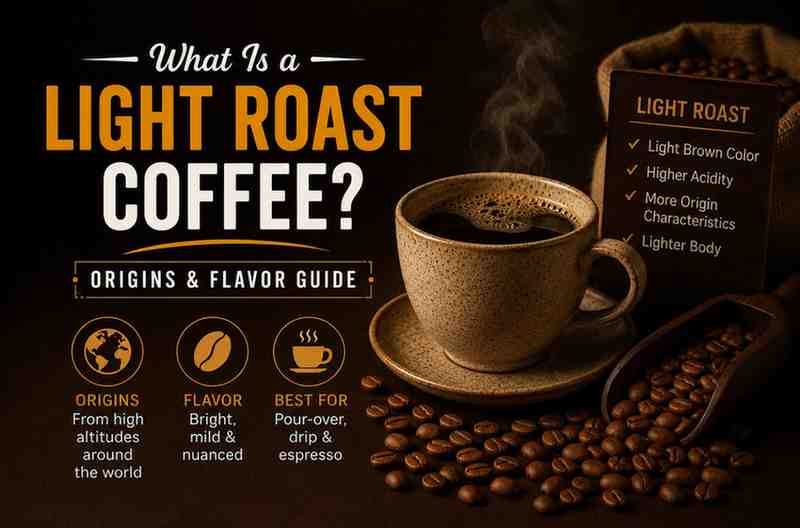
Light roast coffee is roasted for the shortest time compared to other coffee roasts, removed from heat just after the first crack. This brief roasting preserves more of the bean’s original characteristics, resulting in higher acidity, brighter flavors, and more caffeine per serving. Light roasts showcase the coffee’s origin and complexity better than darker roasts.
Introduction
If you’ve walked into a specialty coffee shop recently, you’ve probably noticed that light roast options have become increasingly popular. People who used to order dark roast coffee without thinking twice now ask questions about light roasts and single origin beans. But what exactly is light roast coffee, and why does it matter?
The answer is simpler than you might think. Light roast is just a matter of timing and temperature. Understanding what happens during the roasting process changes how you think about coffee entirely. It’s not about quality or superiority—it’s about what the roaster chooses to highlight in the bean.
In this guide, I’ll explain what light roast coffee actually is, how it compares to other roasts, and why it might be worth trying if you haven’t already.
Understanding the Light Roast Coffee Definition
Light roast coffee is determined by when the roaster stops the roasting process. Specifically, it’s pulled from the heat right after the beans reach the first crack—a popping sound that occurs when moisture inside the bean expands rapidly and the bean’s structure breaks slightly. This first crack happens around 350 to 400 degrees Fahrenheit. The entire roasting process for light roast takes roughly 8 to 12 minutes, depending on the equipment and the bean itself. The beans emerge from the roaster with a light brown color and a relatively dry surface.
What makes this significant is what happens during those short minutes. The beans don’t spend enough time in the roaster for deeper flavor compounds to develop. Instead, the roaster preserves the bean’s inherent characteristics—the flavors that come from where the coffee was grown, the altitude, and the processing method. This is why specialty coffee roasters and enthusiasts often prefer light roasts. Think of it like cooking a steak. If you sear it quickly over high heat, you get different flavors than if you let it cook slowly for a long time. The same principle applies to coffee beans.
How Light Roast Differs From Other Roasts
Coffee roasting exists on a spectrum. Understanding where light roast sits helps clarify what makes it unique. Light roast stops right after the first crack, creating a dry surface and retaining origin flavors. The coffee tastes brighter and more acidic. Medium roast continues past the first crack but stops before the second crack, which occurs around 410 to 430 degrees Fahrenheit. This creates more balance between origin flavors and roast flavors. The surface becomes slightly oily.
Dark roast goes well past the second crack, sometimes reaching temperatures above 450 degrees. By this point, the roasting process itself has become the dominant flavor influence. You taste chocolate, smoke, and bittersweet notes rather than the coffee’s origin characteristics. The surface becomes quite oily. The key difference is timing. Light roast roasters make a deliberate choice to stop early. They’re not rushing—they’re being intentional. They want you to taste the coffee bean’s story, not the roaster’s influence.
The Flavor Profile of Light Roast Coffee
When you drink light roast, you’re tasting the coffee plant in a different way than with darker roasts. The flavor profile tends to be more complex and varied, depending on where the coffee was grown. A light roast from Ethiopia might have floral and berry notes. A light roast from Kenya could offer fruity, wine like characteristics. A light roast from Colombia might present nutty and chocolate elements alongside the brighter acids. These distinctions matter to people who care about tasting the differences between regions.
Light roasts also tend to have a cleaner, crisper mouthfeel compared to dark roasts. There’s less heaviness on your palate. If you’ve drunk dark roast coffee for years, a light roast might initially feel thin or sharp, but that’s the acidity shining through. This acidity isn’t a flaw. It’s a feature. Acidity in coffee tasting terms refers to the brightness and liveliness of the flavor, not sourness. High acidity light roasts feel vibrant and alive on your tongue.
Caffeine Content in Light Roast Coffee
One misconception about light roast is that it contains less caffeine than darker roasts. The truth is the opposite. Light roast coffee actually has more caffeine than dark roast coffee. The difference is small, but it’s real. Roasting breaks down caffeine molecules slightly, so the longer a bean roasts, the more caffeine it loses. Since light roasts spend less time in the roaster, more caffeine remains intact.
The difference isn’t huge—we’re talking maybe 2 to 3 percent more caffeine in light roast compared to dark roast. But if you’re someone who pays attention to your caffeine intake, this matters. This also means that light roast often feels more energizing to coffee drinkers. Combined with the brighter flavor profile, light roast can feel sharper and more stimulating than a heavier dark roast.
Best Brewing Methods for Light Roast
How you brew light roast coffee affects how much you enjoy it. Certain brewing methods bring out its best qualities. Pour over brewing works beautifully for light roast. The method allows you to control the water temperature and the brewing time precisely, which lets the subtle flavors emerge without getting lost. Hario V60, Chemex, and Kalita Wave drippers all highlight light roast nicely. French press is less ideal for light roast. The immersion brewing method, where grounds steep in hot water, tends to extract more bitter compounds. With light roast’s already prominent acidity, this can push the coffee toward being overly sharp.
Espresso made from light roast has grown popular in specialty coffee shops. Light roast espresso shots tend to be brighter and more complex than dark roast espresso, though they require more precision in dialing in your grind and extraction time. Automatic drip coffee makers work fine with light roast, though they won’t showcase the nuances as well as manual brewing methods. The water temperature in many automatic machines fluctuates, which affects extraction consistency.
Selecting and Storing Light Roast Coffee
When shopping for light roast coffee, look for roast dates on the package. Coffee is freshest within two to three weeks of roasting. Older coffee loses flavor complexity, which defeats the purpose of buying a light roast in the first place. Single origin light roasts offer more flavor variety than blends. A blend might combine coffees from multiple origins, which can muddy the distinct characteristics you’re seeking in a light roast.
Store your light roast in an airtight container away from direct sunlight and heat. Avoid the freezer—while some people swear by it, the temperature fluctuations can affect the bean structure and flavor over time. Grind your light roast just before brewing. Pre-ground coffee loses its aromatic compounds quickly. If you only have access to pre-ground light roast coffee, use it within a few days of opening the package.
Common Misconceptions About Light Roast
Several myths persist about light roast coffee. Knowing the truth helps you make better purchasing decisions.
Myth: Light roast is higher quality than dark roast. Reality: Quality depends on the bean and the roaster, not the roast level. A poorly roasted light roast tastes worse than a well-roasted dark roast.
Myth: Light roast is sour and unpleasant. Reality: Light roast has higher acidity, but acidity creates brightness and complexity when done well. Sour flavors indicate under-extraction or low quality beans.
Myth: Dark roast is better for making espresso. Reality: Both light and dark roasts work for espresso. Light roast espresso tastes brighter, dark roast tastes heavier. Personal preference determines which is better.
Myth: Light roast always tastes like the origin country. Reality: Poor roasting or stale beans can make any light roast taste flat. Freshness and roasting skill matter as much as the roast level itself.
Conclusion
Light roast coffee is simply coffee roasted for a shorter time, stopped right after the first crack. This roasting approach preserves the bean’s origin characteristics while creating brighter, more complex flavors. Light roast contains slightly more caffeine than dark roast and pairs beautifully with pour over brewing methods. Whether you prefer light roast depends on your taste preferences, but understanding what light roast coffee is helps you make informed choices when shopping for beans. Try brewing a light roast from a specialty roaster using fresh beans, and you might discover new dimensions in coffee flavor you didn’t know existed.
About the Author
Muhammad Hammad Abbas started Coffee Master Hub, where he shares useful coffee guides and brewing tips based on his own research and experience. He works to make coffee knowledge easier to understand and tries out different methods to help readers make better coffee at home.
Frequently Asked Questions
Light roast contains more antioxidants and caffeine, but the difference is minimal. Both are healthy in moderation. The health benefits of coffee come from the compounds in the bean itself, not primarily from roast level. Drink whichever you enjoy more.
Light roast has higher acidity, which creates brightness and complexity in flavor. Sour or unpleasant tastes indicate poor quality beans or incorrect brewing. Quality light roast should taste vibrant and clean, not harsh or unpalatable.
Yes, automatic drip coffee makers work with light roast coffee. However, they won’t showcase the nuanced flavors as well as manual brewing methods. The water temperature stability varies in many automatic machines, affecting extraction quality.