Quick Answer
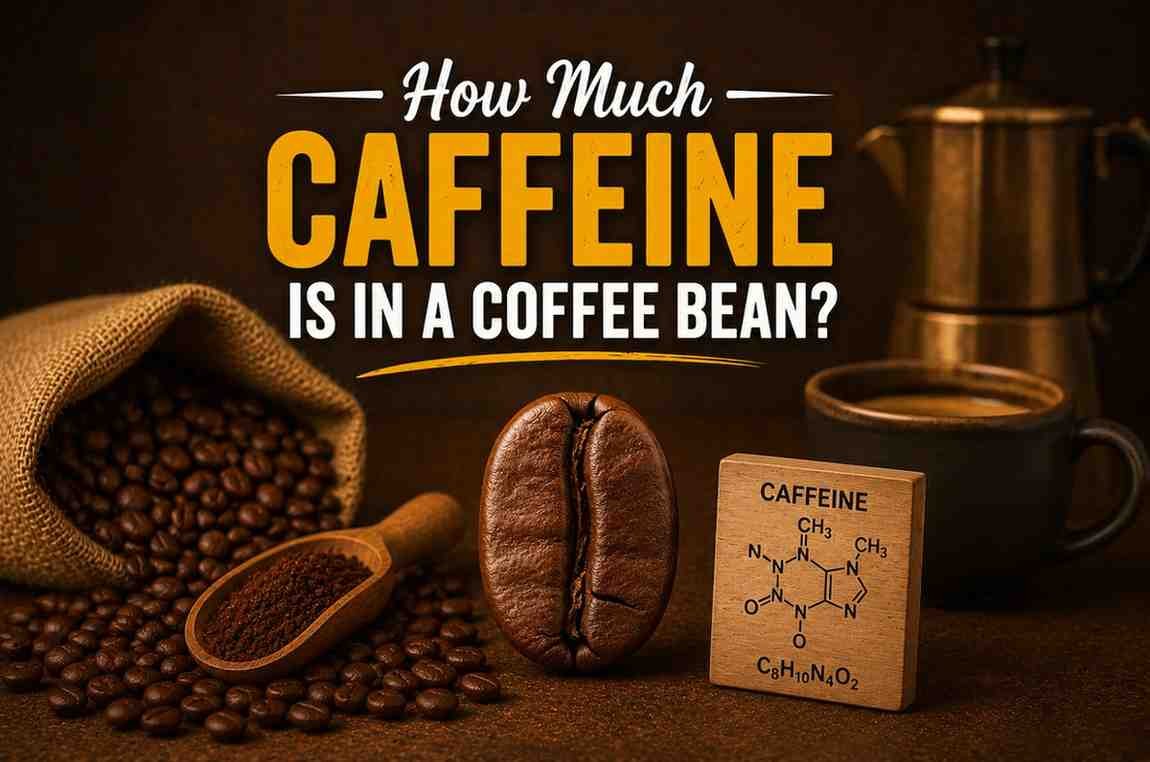
A single Roasted Coffee Bean contains roughly 6mg of caffeine on average. But that number changes depending on the bean type, roast level, and how it is prepared. Chocolate covered coffee beans can deliver 12mg or more per bean. If you are eating beans straight or counting your caffeine intake carefully, the variety matters more than most people realize.
Introduction
Most people think about caffeine in terms of cups, not beans. Which makes sense because that is how coffee gets consumed. But understanding what is actually inside the bean itself gives you a clearer picture of why some coffees hit harder than others, why your espresso feels different from your cold brew, and why munching on a handful of chocolate covered beans is not as innocent as it sounds.
This breaks down caffeine in coffee beans from the ground up, starting with the raw numbers and working through all the factors that push those numbers higher or lower
.
How Much Caffeine Is in a Single Coffee Bean
The average roasted Arabica coffee bean contains somewhere between 5 and 7mg of caffeine. Robusta beans run higher, typically between 8 and 11mg per bean. Those numbers are per individual bean, not per gram or per serving. The reason there is a range rather than one clean number comes down to several things. Bean size varies. Growing conditions affect caffeine concentration. Even the specific plant cultivar matters.
Two Arabica beans from different farms and different altitudes can have noticeably different caffeine levels even before roasting enters the picture. For a brewed cup of coffee, you are working with somewhere between 70 and 140 individual beans depending on grind size and brew method. That is why a single cup can deliver anywhere from 80mg to well over 150mg of caffeine — you are extracting from dozens of beans at once.
Arabica vs Robusta Caffeine Content
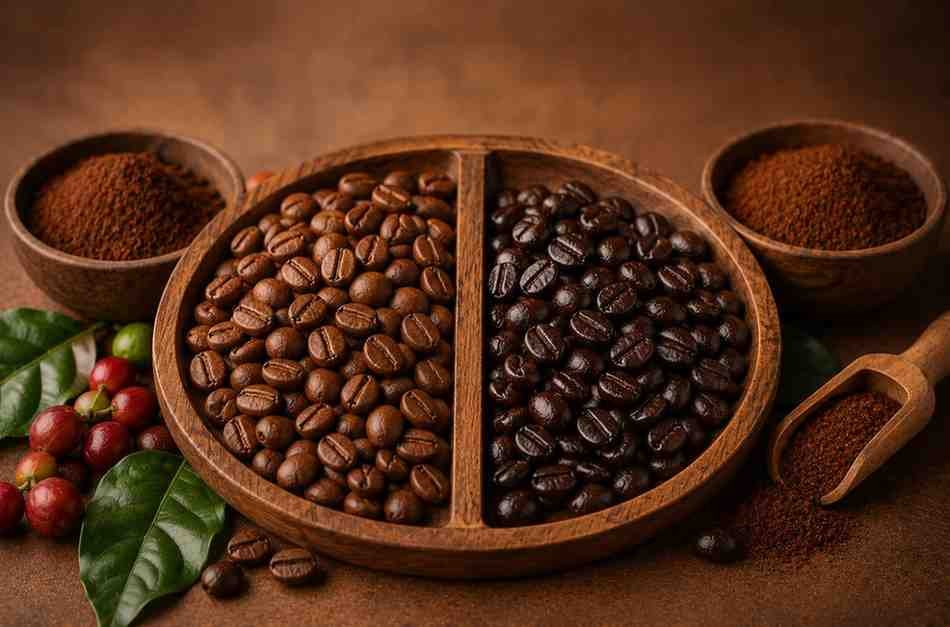
This distinction is worth understanding because it affects nearly every coffee product on the market. Arabica beans are what most specialty coffee shops and premium brands use. They have a smoother, more complex flavor, lower acidity, and lower caffeine. Most single-origin coffees, light roasts, and artisan blends lean on Arabica.
Robusta beans are stronger, more bitter, and significantly higher in caffeine. Roughly double the caffeine per bean compared to Arabica. They are cheaper to grow, more disease-resistant, and used heavily in instant coffee, espresso blends designed for a stronger kick, and mass-market coffee brands. When a brand advertises “extra strong” or “double caffeine” coffee, Robusta is almost always part of that formula.
Does Roast Level Change the Caffeine in a Coffee Bean
This is one of the most common misconceptions in coffee. Most people assume dark roast means more caffeine. It actually works the opposite way, though the difference is smaller than you might expect. Caffeine is remarkably heat-stable compared to most compounds in coffee. It does not burn off the way certain flavor molecules do during roasting. What actually changes with a longer, hotter roast is the physical size and density of the bean. Dark roasted beans expand and lose moisture, which makes them lighter in weight and larger in volume.
So when you measure coffee by weight, light roast and dark roast contain similar caffeine levels. When you measure by volume, which is what most people do with a scoop, dark roast actually delivers slightly less caffeine per scoop because those beans are less dense and you are getting fewer of them per gram. The practical takeaway is that if you drink light roast thinking it is gentler on caffeine, you are not getting much of a break. And if you drink dark roast expecting a bigger hit, the difference from roast level alone is minimal.
Eating Coffee Beans vs Drinking Coffee
When you brew coffee, you extract a portion of what is in the bean into water. Not everything makes it into your cup. The caffeine extraction rate during brewing sits somewhere around 80 to 90 percent under normal conditions, which is actually quite high compared to other compounds. When you eat a whole coffee bean, you get everything in it. No extraction rate, no dilution, no waste. You absorb the caffeine directly as the bean is digested. This is why eating coffee beans delivers caffeine faster and more completely than drinking brewed coffee. The absorption happens more quickly through the mucous membranes in your mouth and then through digestion.
People who eat a few beans before a workout or an afternoon slump often notice the effect coming on faster than a cup would. Chocolate covered coffee beans are the most common way people eat them, and the caffeine adds up quicker than expected. A single chocolate covered bean typically carries 7 to 14mg of caffeine depending on the size of the bean and how thick the chocolate coating is. A small bag of 20 beans puts you in the 140 to 280mg range, which is a real amount of caffeine to consume in one sitting.
How Bean Origin Affects Caffeine Levels
Where a coffee plant grows has a measurable effect on how much caffeine ends up in the bean. This comes down to the plant’s natural defense mechanism. Caffeine in coffee exists primarily as a natural pesticide. Insects do not like it, and higher caffeine beans are more resistant to certain pests and diseases. Plants grown at lower altitudes tend to produce beans with higher caffeine because they face more pest pressure and develop more of the compound as a defense.
High altitude Arabica beans, grown in cooler temperatures with fewer insects around, can afford to produce less caffeine and invest more in flavor development instead. Ethiopian Yirgacheffe, one of the most well known single origins in the specialty world, sits at high altitude and produces a relatively low caffeine Arabica with very distinct floral and fruity notes. A Vietnamese Robusta grown at lower altitude is nearly the opposite on every measure.
Caffeine in Specialty Coffee Products Made From Beans
Beyond the bean itself, it helps to know how caffeine carries through various coffee products. Espresso is a concentrated shot pulled from finely ground beans under pressure. A single shot uses about 7 grams of coffee and delivers roughly 63mg of caffeine. Two shots, a doppio, brings that to around 125mg. Despite tasting stronger and more intense, espresso actually contains less caffeine per serving than a large drip coffee because the serving size is so small. Cold brew is made by steeping coarsely ground beans in cold water for an extended period, usually 12 to 24 hours. Because of the long contact time and the higher bean to water ratio most recipes use, cold brew concentrate can be extremely high in caffeine.
Diluted cold brew from a bottle like STōK comes in around 125mg per 12oz. Homemade concentrate can push much higher depending on your ratio. Instant coffee is generally lower in caffeine than brewed coffee because it is often made using Robusta beans processed in a way that loses some caffeine during manufacturing. A teaspoon of instant coffee typically delivers 30 to 90mg depending on the brand.
How Many Coffee Beans Equal One Cup of Coffee
A standard 8oz cup of drip coffee uses roughly 10 grams of ground coffee. One gram of coffee contains approximately 10 beans depending on size. So you are looking at around 70 to 100 beans per cup on average. If each of those beans has 6mg of caffeine and extraction pulls out around 85 percent of it, a cup brewed from Arabica beans delivers approximately 90 to 120mg of caffeine. That lines up with what most lab tests of standard brewed coffee show. Espresso uses closer to 70 to 80 beans per shot but extracts into only about 30ml of liquid, making it far more concentrated per ounce even though the total caffeine per shot is lower than a full cup.
Conclusion
A single coffee bean holds between 5 and 11mg of caffeine depending on the variety, with Arabica on the lower end and Robusta sitting considerably higher. Roast level shifts things slightly but not as dramatically as most people expect. Eating beans whole delivers caffeine faster and more completely than drinking brewed coffee, which is worth keeping in mind if chocolate covered beans are a regular snack. Understanding what is in the bean itself makes it easier to make sense of why different coffees and different brewing methods produce such different results in how you feel after drinking them.
About the Author
Muhammad Hammad Abbas started Coffee Master Hub, where he shares useful coffee guides and brewing tips based on his own research and experience. He works to make coffee knowledge easier to understand and tries out different methods to help readers make better coffee at home.
FAQ’S (Frequently Asked Questions)
On average, one roasted Arabica bean has about 6mg of caffeine. Robusta beans run higher, closer to 8 to 11mg per bean.
No. Dark roast beans are less dense, so you actually get slightly less caffeine per scoop. By weight, both roasts are nearly equal in caffeine content.
A standard 8oz cup uses roughly 70 to 100 beans depending on grind size and brew method. That adds up to around 90 to 120mg of caffeine per cup.