Quick answer:
Are espresso beans the same as coffee beans? Yes, they usually come from the same coffee plant, but they are roasted, blended, and used differently. “Espresso beans” are not a separate type of bean. They are coffee beans prepared in a way that works well for espresso brewing.
Introduction
Many beginners get confused when they see bags labeled “espresso beans” beside regular coffee beans. It feels like espresso must come from a special bean, almost like a different ingredient. But the truth is much simpler. Espresso is a brewing method, not a bean variety. Coffee beans used for espresso can come from the same plants as beans used for drip coffee, French press, cold brew, or pour-over. The difference usually comes down to roast level, grind size, freshness, and how the beans behave under pressure.
So, are espresso beans the same as coffee beans? In basic terms, yes. But in practical terms, they can taste and perform differently depending on how they are roasted and prepared. Let’s break it down in a simple way.
Are Espresso Beans the Same as Coffee Beans?
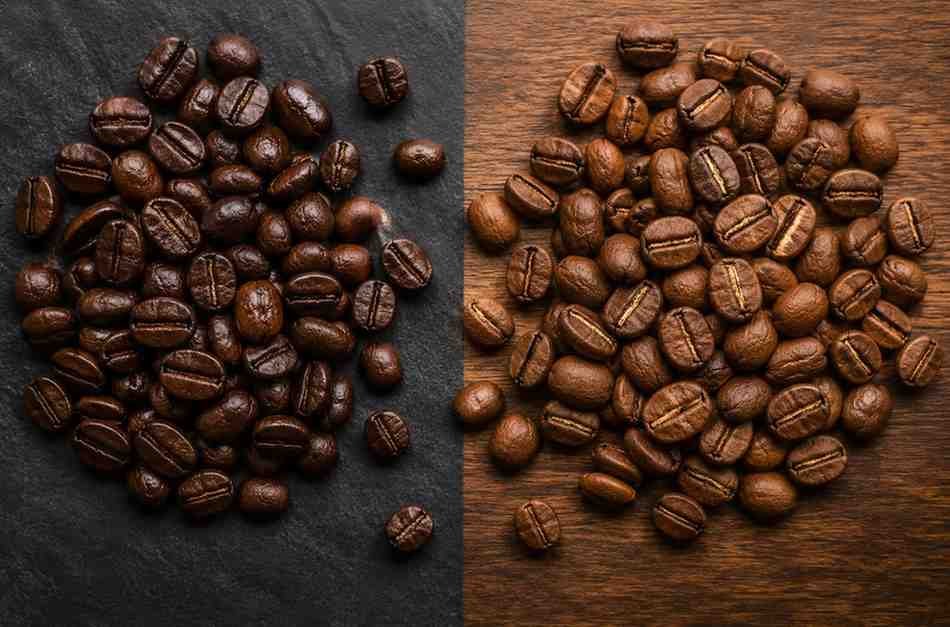
Espresso beans are coffee beans. They are not grown on a separate “espresso plant.” Most espresso beans come from Arabica coffee, Robusta coffee, or a blend of both. These are the same main bean types used for many other coffee drinks. The label “espresso beans” usually means the roaster thinks those beans are suitable for making espresso.
What Makes Espresso Beans Different?
The biggest difference is how the beans are roasted and how they are expected to taste in the cup. Espresso brewing is intense. Hot water is pushed through finely ground coffee at high pressure, usually in a short time. Because the process is so concentrated, the coffee can taste sharp or unbalanced if the beans are not suitable. Roasters often choose beans that bring chocolate, caramel, nutty, or dark fruit notes.
These flavors usually work well with milk too, which is important for drinks like lattes, cappuccinos, and flat whites. Regular coffee beans may be roasted for a wider range of flavors. Some are bright and fruity. Some are floral and tea-like. Some are light and crisp. These can be excellent for pour-over or drip coffee, but they may taste too sour or thin if pulled as espresso, especially for someone new to coffee.
Roast Level Matters More Than the Name
When people talk about espresso beans, they often imagine dark, oily beans. That is common, but it is not a rule. Espresso beans can be medium roast, medium-dark roast, or dark roast. Many modern coffee shops even use lighter roasts for espresso. Still, traditional espresso is often roasted darker than regular filter coffee. A darker coffee roast can reduce acidity and create a heavier mouthfeel. It can also bring out flavors like cocoa, toasted nuts, brown sugar, and dark chocolate.
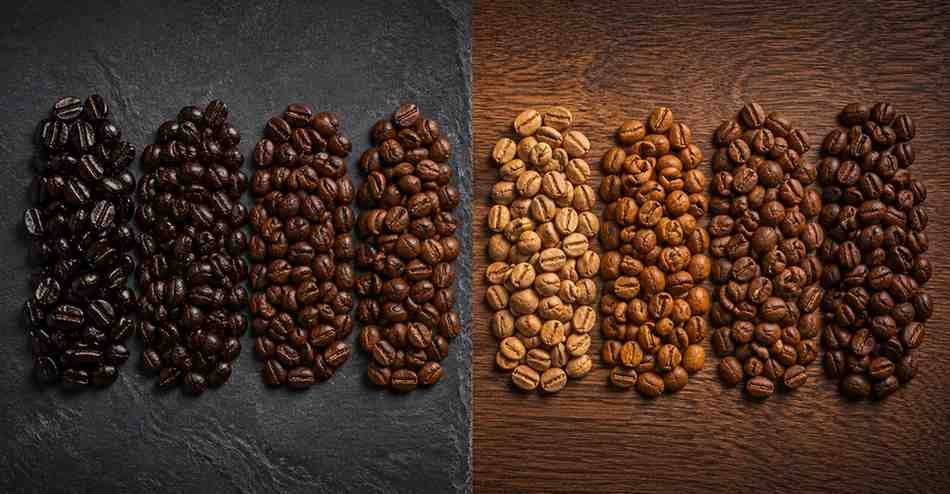
Light roast beans can also be used for espresso, but they are harder to control. They may taste bright, fruity, or even sour if the grind size, dose, and extraction time are not dialed in properly. That does not mean light espresso is bad. It just requires more skill and a good espresso machine. So, the roast level tells you more than the word “espresso” on the bag. If you want a classic, strong espresso taste, a medium-dark or dark roast is usually a safe choice. If you like fruity and modern coffee, a lighter espresso roast may be interesting.
Grind Size and Brewing Method Change Everything
One of the most important things beginners should understand is this: the same bean can taste very different depending on how you grind and brew it. Espresso needs a very fine grind. The coffee grounds should be much finer than what you would use for drip coffee or French press. This fine grind helps the water extract enough flavor in a short time. If the grind is too coarse, the espresso may taste weak, watery, or sour. If it is too fine, it may taste bitter, harsh, or burnt.
Regular coffee brewing usually uses a coarser grind. Drip coffee, pour-over, French press, and cold brew all need different grind sizes because the water touches the coffee for different amounts of time. This is why buying whole beans is usually better than buying pre-ground coffee. Whole beans let you grind fresh for your brewing method. If you buy pre-ground espresso, it may be too fine for drip coffee. If you buy pre-ground drip coffee, it will likely be too coarse for espresso.
Can You Use Regular Coffee Beans for Espresso?
Yes, you can use regular coffee beans for espresso. There is no rule that says only beans labeled “espresso” can go into an espresso machine. However, the result depends on the beans. If the beans are very light roasted, the espresso may taste acidic or sharp. If they are stale, the shot may have little crema and a flat taste. If the grind is wrong, the flavor can be weak or bitter.
For beginners, beans labeled as espresso are often easier to use because they are roasted with espresso brewing in mind. They tend to be more forgiving and more balanced. But once you understand your taste, you can experiment with any good coffee beans. A medium roast single-origin coffee may give you a bright, complex espresso. A darker blend may give you a thicker, more classic espresso. Neither choice is wrong. It depends on what you enjoy.
Can You Use Espresso Beans for Regular Coffee?
Yes, espresso beans can be used for regular coffee. You can brew them in a drip coffee maker, French press, moka pot, AeroPress, or pour-over. They are still coffee beans. The main difference will be taste. Espresso beans, especially darker ones, may produce a stronger, richer, and heavier cup. Some people love that. Others may find it too bold or smoky for everyday drinking.
If you use espresso beans for regular coffee, grind them according to your brewing method. Do not use espresso-fine grounds in a French press or drip machine. That can lead to over-extraction, bitterness, and a muddy cup. For example, if you want to use espresso beans in a French press, use a coarse grind. If you want to use them in drip coffee, use a medium grind. The bean can stay the same, but the grind should match the method.
Espresso Beans vs Coffee Beans: Taste Difference
Espresso usually tastes more concentrated because the brewing method produces a small, strong shot. It has a thicker body and a heavier mouthfeel than regular coffee. Regular brewed coffee is usually lighter in body because it uses more water. It can show more delicate flavors, especially with lighter roasts. You may notice fruit, flowers, citrus, or gentle sweetness more clearly in filter coffee.
Espresso, on the other hand, often highlights body, sweetness, bitterness, and intensity. That is why espresso blends are often built to taste smooth and rich. They need to hold up well on their own and also mix nicely with milk. But remember, taste is not only about the bean. It depends on roast level, freshness, grind size, water quality, machine pressure, and brewing skill. Two people can use the same beans and get very different results.
Which Beans Should Beginners Buy?
If you are new to espresso, start simple. Choose fresh whole beans labeled for espresso, preferably medium-dark roast. Look for tasting notes like chocolate, caramel, nuts, brown sugar, or smooth body. These are usually easier for beginners to enjoy. Avoid buying the biggest bag first. Coffee tastes best when fresh, so buy a smaller bag and test it. Also, check the roast date if possible. Fresh beans are usually better than beans that have been sitting for months.
If you drink milk-based coffee, an espresso blend is a good choice. If you drink straight espresso, you may enjoy experimenting with single-origin beans later. For regular coffee, choose based on your taste. If you like mild and smooth coffee, go for medium roast. If you like bold and strong coffee, choose medium-dark or dark roast.
Common Myths About Espresso Beans
One common myth is that espresso beans have more caffeine than coffee beans. Caffeine depends on bean type, serving size, roast, and brewing method. Another myth is that espresso beans must always be dark and oily. Some espresso beans are dark, but many are not oily at all. In fact, very oily beans can sometimes cause problems in certain grinders and automatic espresso machines.
People also think espresso is always bitter. Good espresso should not taste harsh. It can be strong, but it should still have balance. A bitter shot often comes from over-extraction, stale beans, too fine a grind, or poor brewing technique. The last myth is that expensive beans always make better espresso. Quality matters, but freshness, grind, and brewing control matter too. Even great beans can taste bad if they are brewed poorly.
Conclusion
So, are espresso beans the same as coffee beans? Yes, espresso beans are coffee beans. The difference is not the plant they come from, but how they are roasted, blended, ground, and brewed. Beans labeled “espresso” are usually chosen because they work well in an espresso machine. They often create a rich, smooth, and full-bodied shot. Regular coffee beans can also be used for espresso, but the flavor may vary more depending on roast and grind.
If you are a beginner, start with fresh whole espresso beans and a medium-dark roast. Once you understand what you like, try different roast levels and brewing methods. Coffee becomes much easier to enjoy when you stop worrying about labels and start paying attention to taste, freshness, and preparation.
About the Writer
Muhammad Hammad Abbas started Coffee Master Hub, where he shares useful coffee guides and brewing tips based on his own experiences and research. He works to make coffee knowledge easier to understand and tries out different ways to help people make better coffee at home.