


Quick Answer
No, a traditional Chai Latte does not contain coffee. It is made from black tea, spices, milk, and sweetener. However, some modern variations may include coffee if you specifically order a “dirty chai latte,” which combines chai with a shot of espresso.
Introduction
Chai lattes have become a favorite drink in cafes around the world. If you are new to them, it is easy to assume they might contain coffee because they are served in similar ways to lattes. This confusion is very common, especially for people trying to avoid caffeine or exploring new drinks.
Let’s clear it up properly so you know exactly what you are drinking the next time you order one.
What This Drink Is Actually Made Of
A chai latte is rooted in traditional Indian chai, often called “masala chai.” The word “chai” simply means tea, but the drink itself is much more than just plain tea. A standard chai latte includes black tea, warm spices like cinnamon, cardamom, ginger, cloves, milk, and a sweetener. When prepared in cafes, it is usually steamed milk mixed with a concentrated chai base.
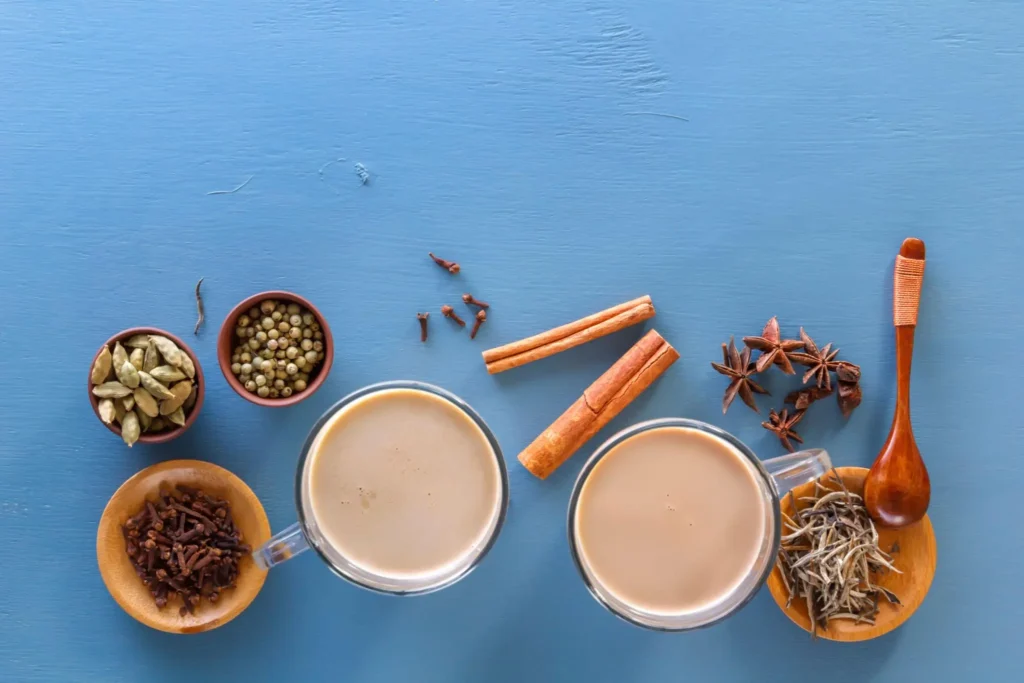
The flavor is rich, slightly spicy, and comforting. It feels closer to a warm dessert drink than a plain cup of tea. This is where the confusion starts. Since it is creamy and served like a latte, many people assume it must contain coffee. But the base ingredient is tea, not espresso.
What Is a Dirty Chai Latte?
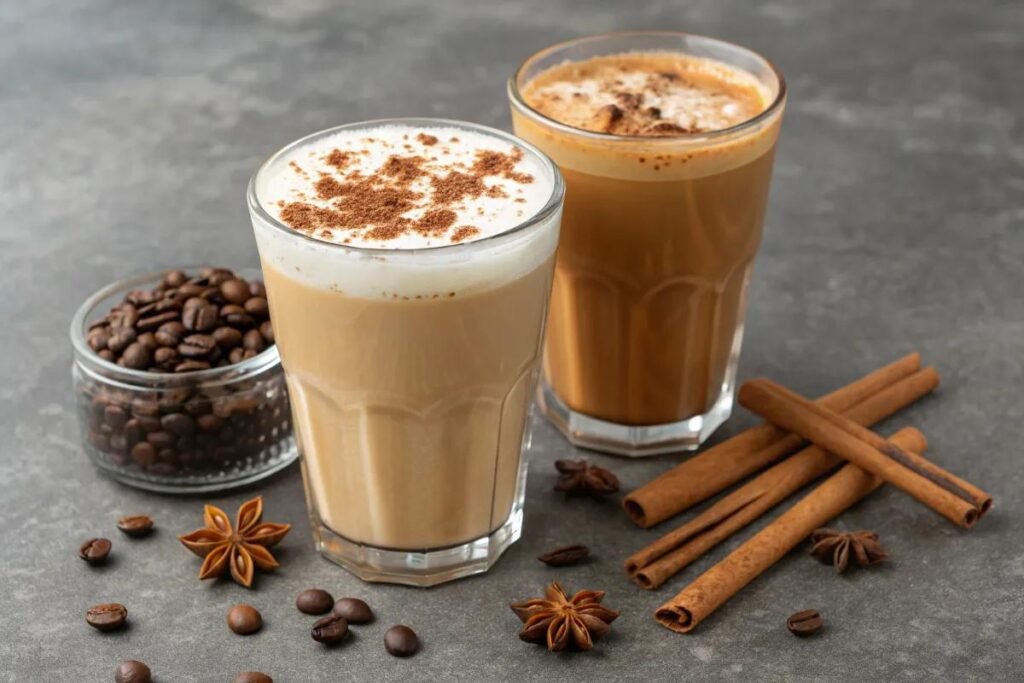
A dirty chai latte is a variation that does include coffee. It is made by adding one or more shots of espresso to a regular chai latte. This version is popular among people who enjoy the spice of chai but also want the strong kick of coffee. So if you ever order a chai latte and taste coffee in it, there is a good chance you were served a dirty chai latte.
Does a Chai Latte Have Caffeine?
Yes, a chai latte does contain caffeine, but not from coffee. The caffeine comes from black tea. The amount is usually lower than a typical cup of coffee, but it is still enough to give a mild energy boost.
If you are sensitive to caffeine, this is something to keep in mind. Some cafes offer decaffeinated versions or herbal chai blends that do not contain black tea. These options are great if you want the flavor without the caffeine.
A Quick Look at Its Global Popularity
Chai has been a part of South Asian culture for centuries. It is traditionally brewed fresh with loose tea leaves and spices, often simmered slowly to bring out the flavor. The modern chai latte is a Western adaptation. Cafes simplified the process by using chai concentrates or powders mixed with steamed milk.
This version became popular because it is quick to prepare and consistent in taste. According to the Tea Association of the U.S.A., tea based beverages have seen steady growth globally, and chai lattes are a big part of that trend. Today, you can find chai lattes in almost every coffee shop, from small local cafes to major chains.
How It Tastes Compared to Coffee Drinks
The flavor difference is quite noticeable. This drink leans toward warm spices and mild sweetness. The combination of cinnamon, ginger, and cardamom creates a smooth and comforting profile.
Coffee-based drinks, on the other hand, have a stronger and slightly bitter taste because of the espresso. Milk softens it, but the boldness is still there. If you enjoy something soothing and aromatic, this tea-based option is often the better choice. If you prefer a sharper, more intense flavor, coffee may suit you more.
Making It at Home
Preparing this drink at home can be surprisingly simple. You can start by brewing strong black tea with spices like ginger and cinnamon. Once the flavors develop, add milk and let it heat gently. A bit of sugar or honey can balance the spices.
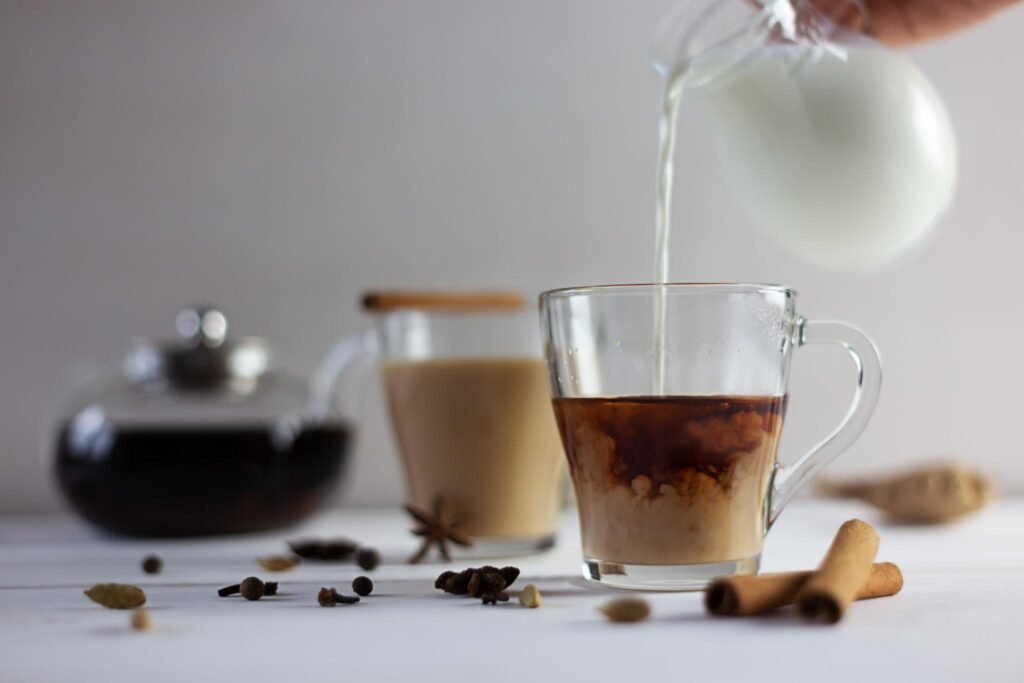
If you are short on time, using a pre-made concentrate works just fine. Just mix it with hot milk and adjust the taste as needed. Homemade versions often feel richer because you can control every ingredient.
Common Ordering Mistakes
A few small misunderstandings can affect your experience. One common issue is sweetness. Many café versions are quite sweet, so it helps to ask for less sugar if that’s your preference.
Another is not realizing the difference between the regular and dirty version. If you don’t want coffee, always double-check. Lastly, some people assume it’s caffeine-free, which is not true unless specifically mentioned.
Conclusion
In the end, this drink is completely different from coffee unless you choose a version that adds espresso. It is built around tea, spices, and milk, creating a smoother and more comforting experience. Once you understand that, it becomes much easier to decide what to order based on your taste and caffeine needs.
FAQ’S (Frequently Asked Questions)
No, it does not taste like coffee. It has a warm, spiced flavor with hints of cinnamon, ginger, and cardamom. The taste is smoother and slightly sweet, very different from the bold and bitter notes of coffee.
Not usually. It contains less caffeine because it is made with black tea instead of espresso. This makes it a lighter option if you want a gentle energy boost without the intensity of coffee.
Yes, you can. Many cafés offer caffeine-free or decaf versions made with herbal blends instead of black tea. You can also make one at home using caffeine-free ingredients.